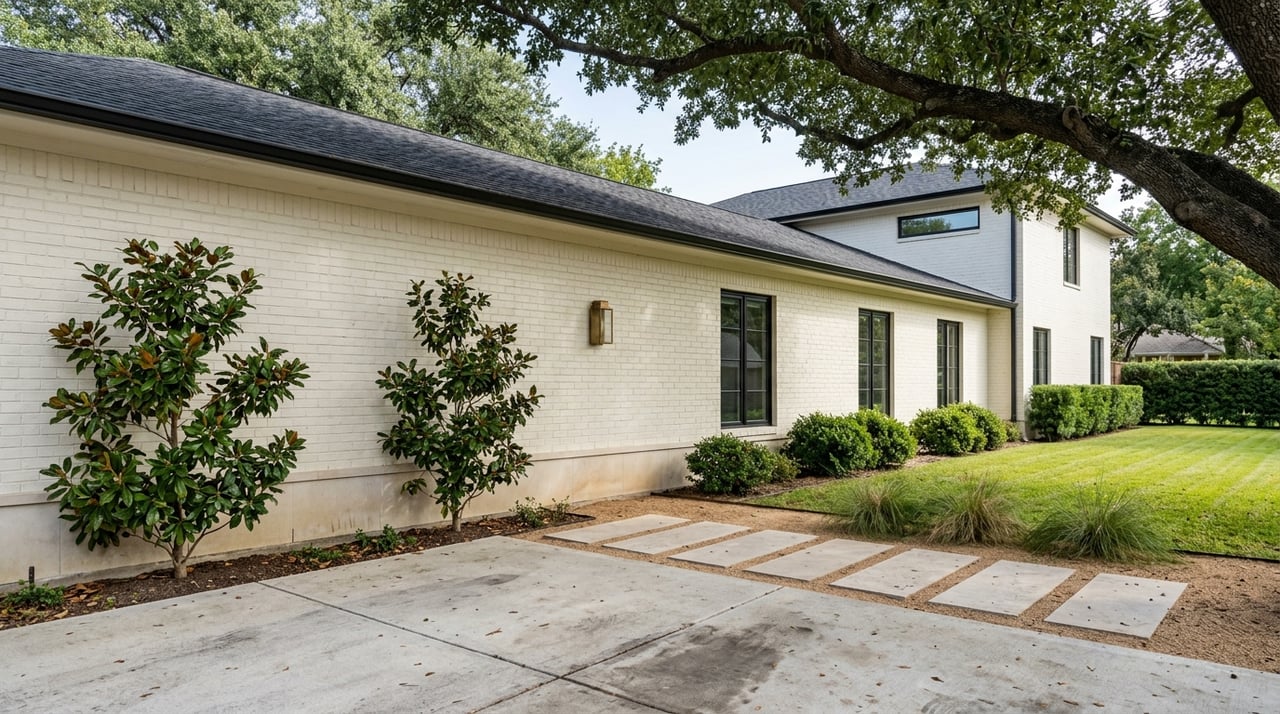
If you are shopping in Preston Hollow, the house is only part of the story. In this part of Dallas, buyers often need to weigh the existing home against the long-term potential of the lot itself. When you understand how site conditions, city rules, and redevelopment patterns work together, you can make a smarter decision with fewer surprises. Let’s dive in.
Why Preston Hollow Is Different
Old Preston Hollow, the core area within the larger Preston Hollow neighborhood, developed in the 1930s and is known for generous lots, impressive homes, and houses set well back from the street. Local coverage also points to broad, tree-lined streets and a strong sense of privacy as part of the area's appeal.
That character creates a different way of evaluating property. In many parts of Dallas, buyers focus mostly on the house you can move into today. In Preston Hollow, the lot often matters just as much because it can shape what you do next, whether that means a major renovation, an addition, or a full replacement.
Local examples show all three paths. Some homes have been redesigned or gutted to the studs, while other properties have been cleared for new construction on large parcels. That is why a buyer here should look beyond finishes and ask what the site can realistically support over time.
Start With the Lot
Before you fall in love with a floor plan, it helps to study the parcel itself. A strong Preston Hollow lot review usually starts with the physical basics and then moves into city-level research.
Key lot features to review
Look closely at these site characteristics:
- Frontage
- Depth
- Lot shape
- Corner exposure
- Utility access
- Yard area left after setbacks
- Mature tree placement
Each one can affect how usable the property really is. A large lot on paper may still feel limited if the shape is awkward, trees reduce the buildable area, or setbacks leave less room than expected.
Why orientation matters
Orientation is easy to overlook, but it can have a big impact on daily living and future design. It affects privacy, sunlight, driveway placement, backyard usability, and how comfortably an addition or new build can sit on the site.
This is one of the first questions an architect should help you evaluate. In a neighborhood where outdoor living, privacy, and curb appeal matter, the way a home sits on the lot can be just as important as square footage.
Use Dallas Tools Early
The City of Dallas offers planning and zoning resources that can help you understand a property's constraints before you make assumptions. The city Map Hub is set up to show zoning, deed restrictions, historic areas, airport overlays, conservation districts, HOAs or neighborhood associations, authorized hearings, and floodplains.
That makes it a practical first stop when you are evaluating whether a lot fits your goals. The city also points buyers to Dallas County Appraisal District records for property history and owner information, which can add useful context during due diligence.
What to verify before you commit
A quick review should include:
- Zoning district
- Floodplain presence
- Deed restrictions
- Historic or conservation overlays
- Building lines and setbacks
- Property history through appraisal records
This matters because a lot can appear promising at first glance but still have limits that affect what you can build or renovate. Looking beyond the lot lines can save you time, money, and frustration.
Understand Dallas Building Limits
In Dallas, zoning districts control land use, height, setbacks, lot size, density, coverage, and floor area ratio. Those rules can have a major effect on whether a property works for your plans.
Setbacks are especially important in Preston Hollow because they are not always one-size-fits-all. Dallas notes that setback standards can be affected by platted building lines, more restrictive zoning in the same block, deed restrictions, planned development districts, historic districts, and conservation districts.
That means you should not assume every large lot can accommodate the same footprint. Two homes on the same street may have very different practical building envelopes.
When a lot may not fit your plan
If your intended project does not fit the current zoning district, Dallas requires a zoning change application. For buyers, that is a reminder that a property can look ideal in theory while still being a poor match for your desired build program.
Structural work generally requires a building permit. Dallas also notes that some nonstructural interior remodeling in single-family or two-family homes may not require a permit, but that does not apply broadly to additions, exterior changes, demolition, or site work.
Trees Can Change the Equation
Mature trees are part of what gives Preston Hollow its appeal. They also can reduce the buildable envelope and trigger city tree-review steps.
Dallas says protected trees may require a tree-removal application, and replacement planting can be required. The city also notes that a building permit for construction can authorize tree removal, but demolition, excavation, grading, or retaining-wall permits do not replace a separate tree-removal application.
In practical terms, a beautiful tree canopy can be both an asset and a design constraint. If a buyer is considering a large addition or a new build, tree placement should be reviewed very early.
Floodplains and Restrictions Matter
Large lots can create a false sense of flexibility. In reality, floodplains, creek edges, conservation areas, and deed restrictions can narrow what is realistically possible even on a sizable parcel.
Because the Dallas Map Hub includes floodplain and deed-restriction layers, it gives buyers a better view of the full picture. This step is especially important if you are comparing multiple Preston Hollow properties that seem similar on the surface.
Renovate or Rebuild?
This is one of the biggest Preston Hollow questions, and there is no one answer for every property. The right choice depends on the structure, the site, and your long-term goals.
When renovation may make sense
Renovation often makes more sense when the structure's bones are sound, the layout can be improved without fighting the site, and the lot already gives you the yard and privacy you want. Local examples show that older homes in Preston Hollow are not automatically tear-down candidates.
A dated ranch, for example, may still offer strong potential if the site works well and the floor plan can be reshaped. In those cases, a well-planned redesign may unlock value without starting over completely.
When new-build potential may stand out
Tear-down or new-build potential is often stronger when the parcel is large enough to support your desired footprint, parking, setbacks, and outdoor program without major compromise. Old Preston Hollow's large lots and deep setbacks are a big reason this path appears so often in local coverage.
That does not guarantee every large lot is a redevelopment opportunity. It simply means lot dimensions and site constraints should be weighed just as carefully as the house that is standing there today.
A Practical Buyer Framework
If you want a simple way to evaluate a Preston Hollow property, start with the site and then test the house against that reality. This approach can help you avoid overvaluing cosmetic upgrades on a property with long-term limitations.
Ask these questions first
- Does the lot support the home you want now?
- Can the site support the version of the property you may want later?
- Do setbacks, trees, or restrictions reduce the usable building area?
- Does the current house work with the site or fight against it?
- Would renovation improve the layout enough, or would new construction make more sense?
The core question is not only whether the house feels dated. It is whether the site can support the next version of the property that you may want in the future.
Bring the Right Experts In Early
When the biggest question is what fits on the lot, an architect should be part of the conversation early. Orientation, privacy, sunlight, and overall site planning are design questions that need professional review.
When the main issue is cost, timing, and sequencing, a builder can help you understand what a renovation or new build might involve. If the property raises concerns about foundation conditions, drainage, retaining walls, slope, floodplain proximity, or tree preservation, an engineer may also be important.
Dallas' development resources are designed to identify issues early in the process. That is a strong signal for buyers to investigate complex lots before assuming the current home can be adapted to fit future plans.
Why This Matters for Preston Hollow Buyers
In Preston Hollow, a home purchase can be both a lifestyle decision and a site decision. That is especially true in areas where lot size, privacy, tree cover, and setback patterns shape what a property can become over time.
If you approach the process with a lot-first mindset, you can make a more confident decision about value. You will be better prepared to tell the difference between a home that simply needs updating and a property with deeper long-term potential.
Whether you are comparing renovation options, evaluating a tear-down opportunity, or trying to understand how a parcel fits your goals, local knowledge matters. If you want practical guidance on Preston Hollow lot value, home potential, and what to look for before you buy, connect with Jessica Cazares.
FAQs
What should buyers evaluate first when looking at a Preston Hollow property?
- Buyers should start with the lot itself, including frontage, depth, shape, setbacks, tree placement, and any zoning or deed-related restrictions that may affect future use.
How do Dallas zoning rules affect Preston Hollow home potential?
- Dallas zoning rules can control land use, height, setbacks, lot size, density, coverage, and floor area ratio, all of which can shape whether a property fits your renovation or building plans.
Why do mature trees matter when evaluating a Preston Hollow lot?
- Mature trees can add beauty and privacy, but they may also reduce the buildable area and trigger city tree-review or tree-removal requirements.
Is every older Preston Hollow house a tear-down candidate?
- No. Local redevelopment patterns show that some older homes are renovated or redesigned, while others are replaced, so the right path depends on the structure, the lot, and your goals.
What Dallas resources help research a Preston Hollow lot?
- The City of Dallas Map Hub can help you review zoning, floodplains, deed restrictions, overlays, and related planning details, while Dallas County Appraisal District records can provide property history and ownership information.
When should a Preston Hollow buyer bring in an architect or engineer?
- A buyer should involve an architect early when the main question is what fits on the site, and an engineer when drainage, slope, foundation, retaining walls, floodplain proximity, or tree preservation could affect the plan.
